A great race began with an idea someone turned down
In the early 1970s, two sailing writers in England dreamed of a crewed race around the world. They knocked on doors and were turned away. Instead of giving up, they handed the idea to a sailing association whose job was training people for the sea. A determined club secretary kept pushing the plan forward, and a meeting in a small Portsmouth pub brought in the first sponsor.
On 8 September 1973, 17 yachts and 167 sailors left Portsmouth. There were professionals on deck, and amateurs, adventurers and students too. Fifty years on, that race is called The Ocean Race.
What stays with us is how it came together. When there was still nothing to show, enough people were willing to take on a piece of the work.
Four bays, one journey
Khánh Hòa’s coastline holds four bays: Vân Phong, Nha Trang, Cam Ranh and Vĩnh Hy. People are used to seeing them as four destinations. We see them as one voyage.
The idea began with a simple question: why do Vietnamese students live beside one of the most beautiful seas in Asia, yet almost none of them has ever held a sheet? And if young people from Singapore, Bangkok, Jakarta, Seoul, Tokyo, Taipei and Hong Kong shared a boat with Vietnamese students, what would they take home?
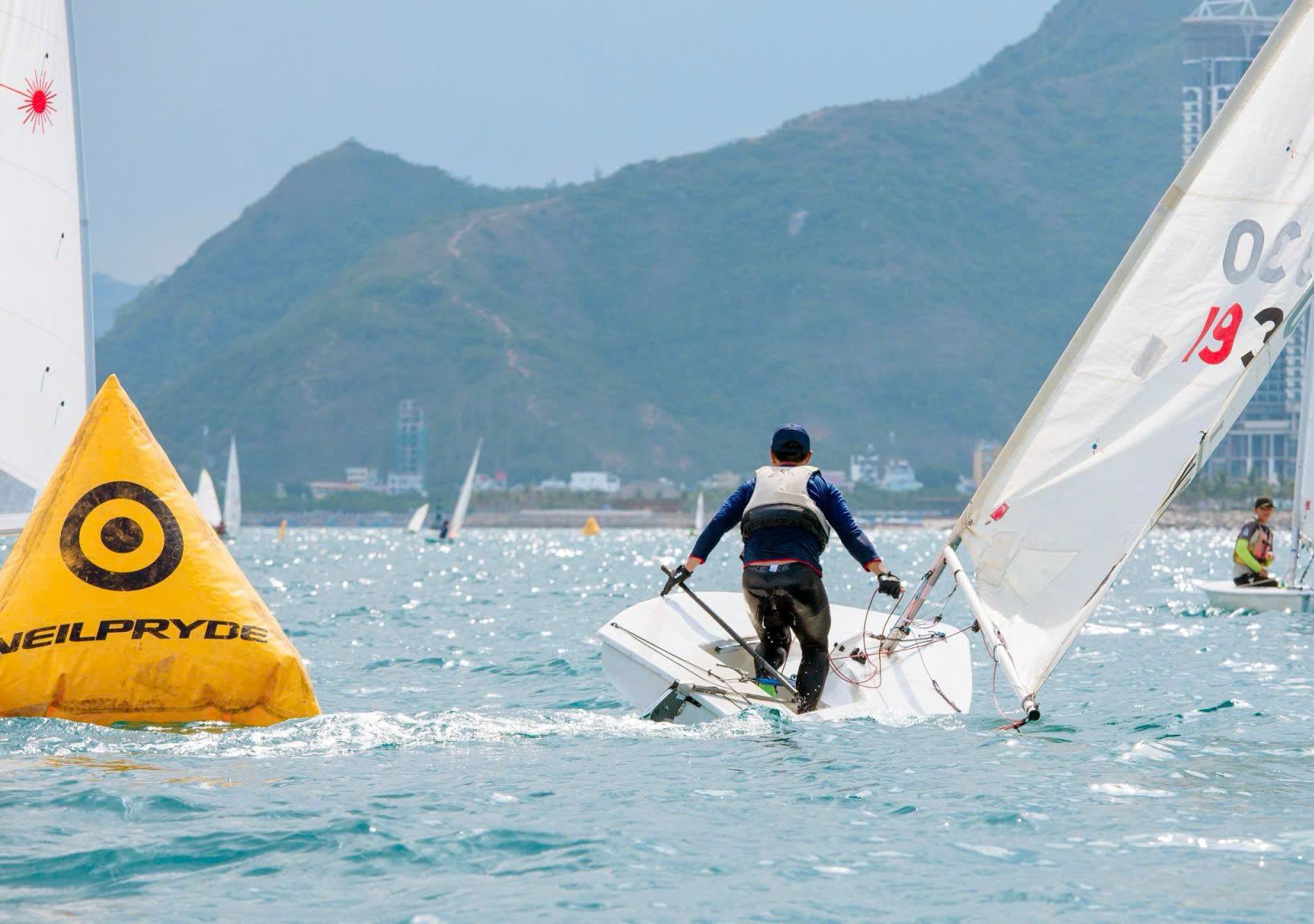
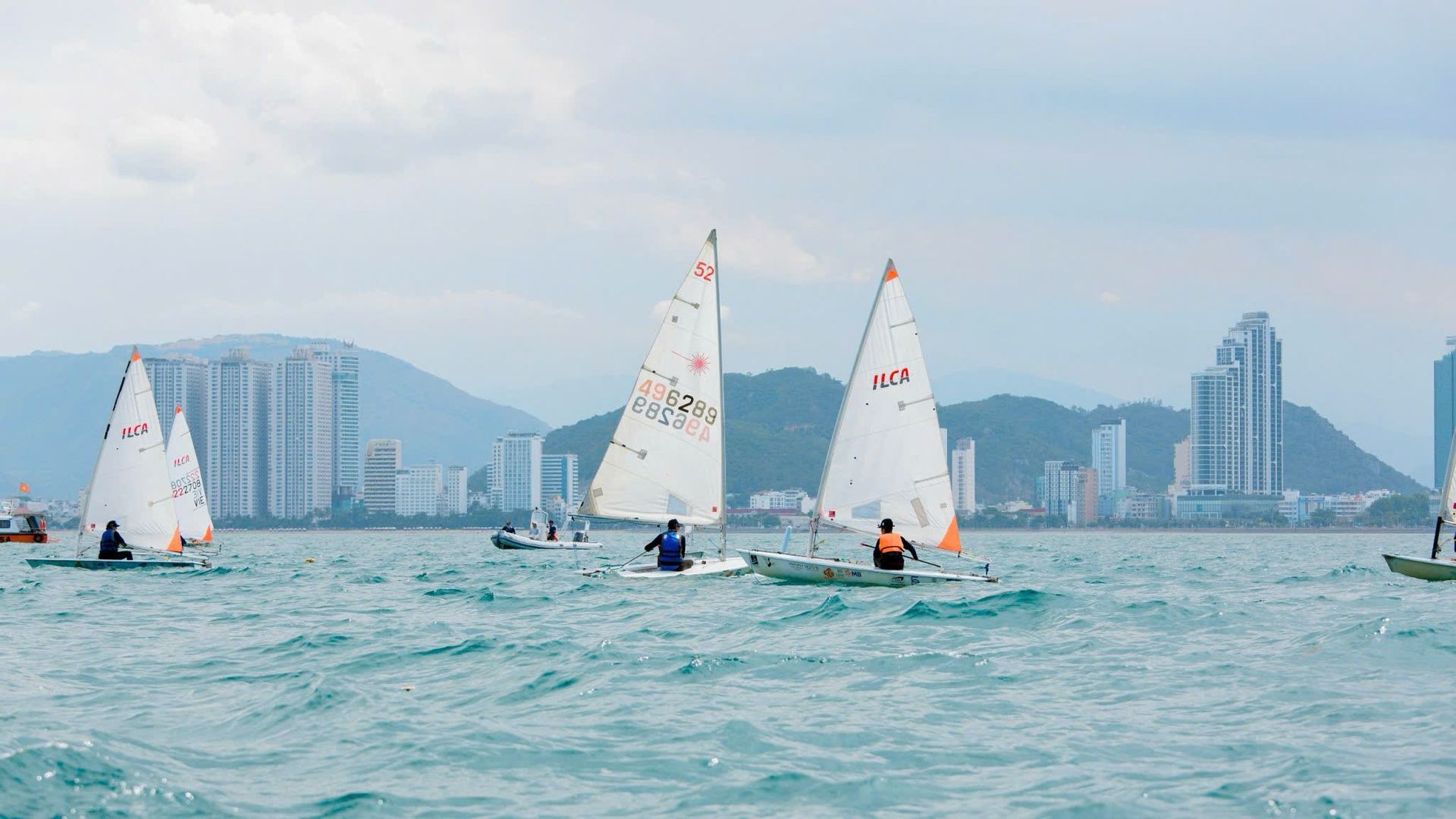
That question became BAYS BEAT, a train first, race later programme for school and university students. Every crew mixes nationalities. Schools compete under their own names. And there is a journey through the Four Bays, so students see Khánh Hòa the way a sailor does.
“It can’t be done”
A veteran sailor in Nha Trang told us plainly: students who have never been on a boat, racing after a few months?
The first gate is fitness. Just as the big cave expeditions in Quảng Bình only take people who have passed a fitness check, everyone who wants to join BAYS BEAT must pass a fitness test and a swim test. Only then are they qualified to start training. We do this for their own safety and for the safety of the whole crew.
Done the old way, he would be right. So we leave the race until last and start with sea safety, which means swimming, wearing a life jacket, capsizing and righting the boat. Then comes training from April to June 2027, with coaches, a schedule and a standard to meet before going out. Those who meet it race in July.
His honesty is a big part of why the programme looks the way it does.